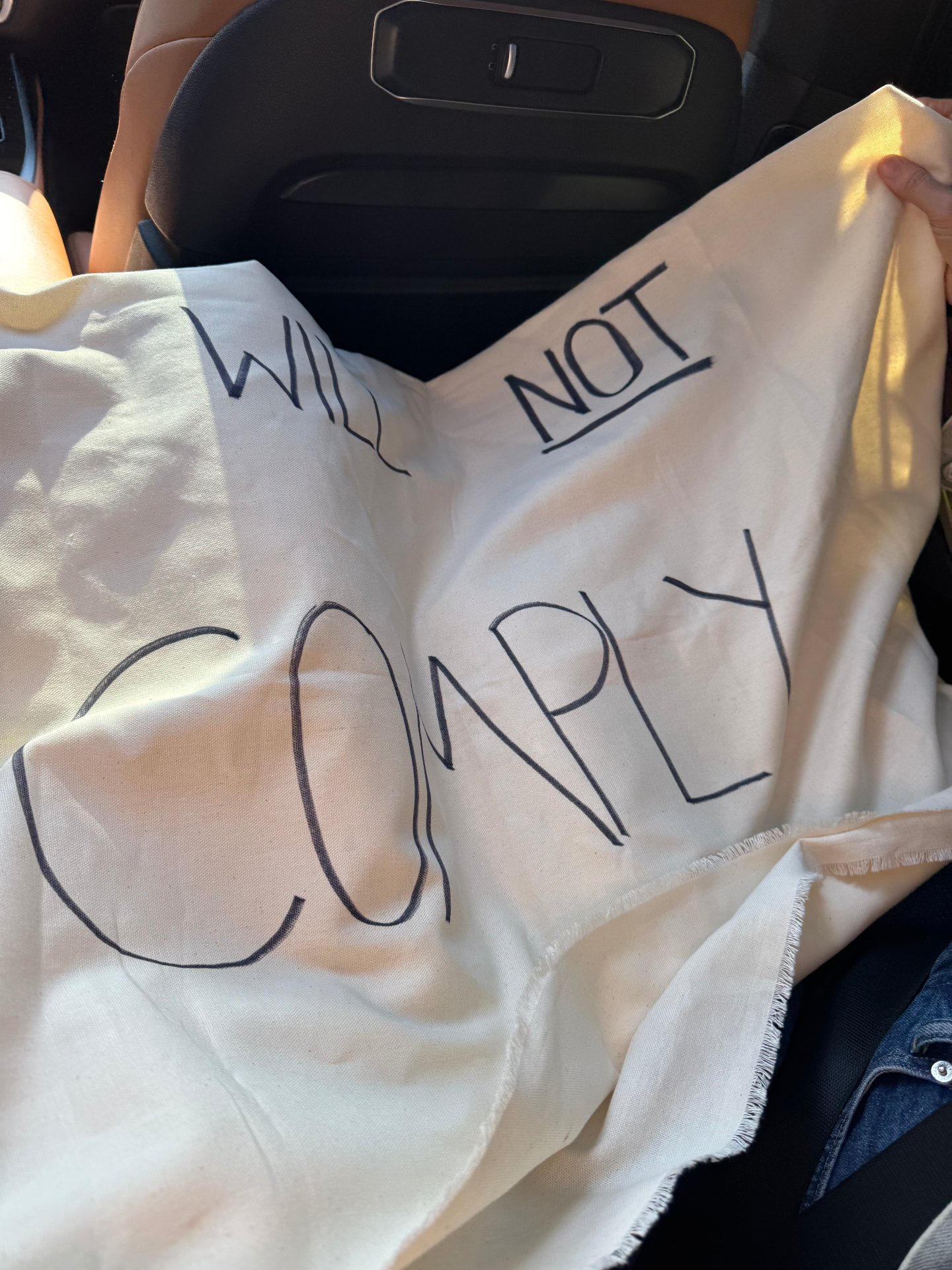
Require Chemical Disclosure in Clothing
Mandate that all clothing sold in the U.S. carry a chemical disclosure label listing intentionally added chemical finishes — similar to ingredient labels on food, cosmetics, and personal care products.
We are parents, workers, scientists, and citizens organizing to protect the people from what we put on our skin — because clothing should be safe for everyone who wears it.
A registered 501(c)(3) nonprofit organization

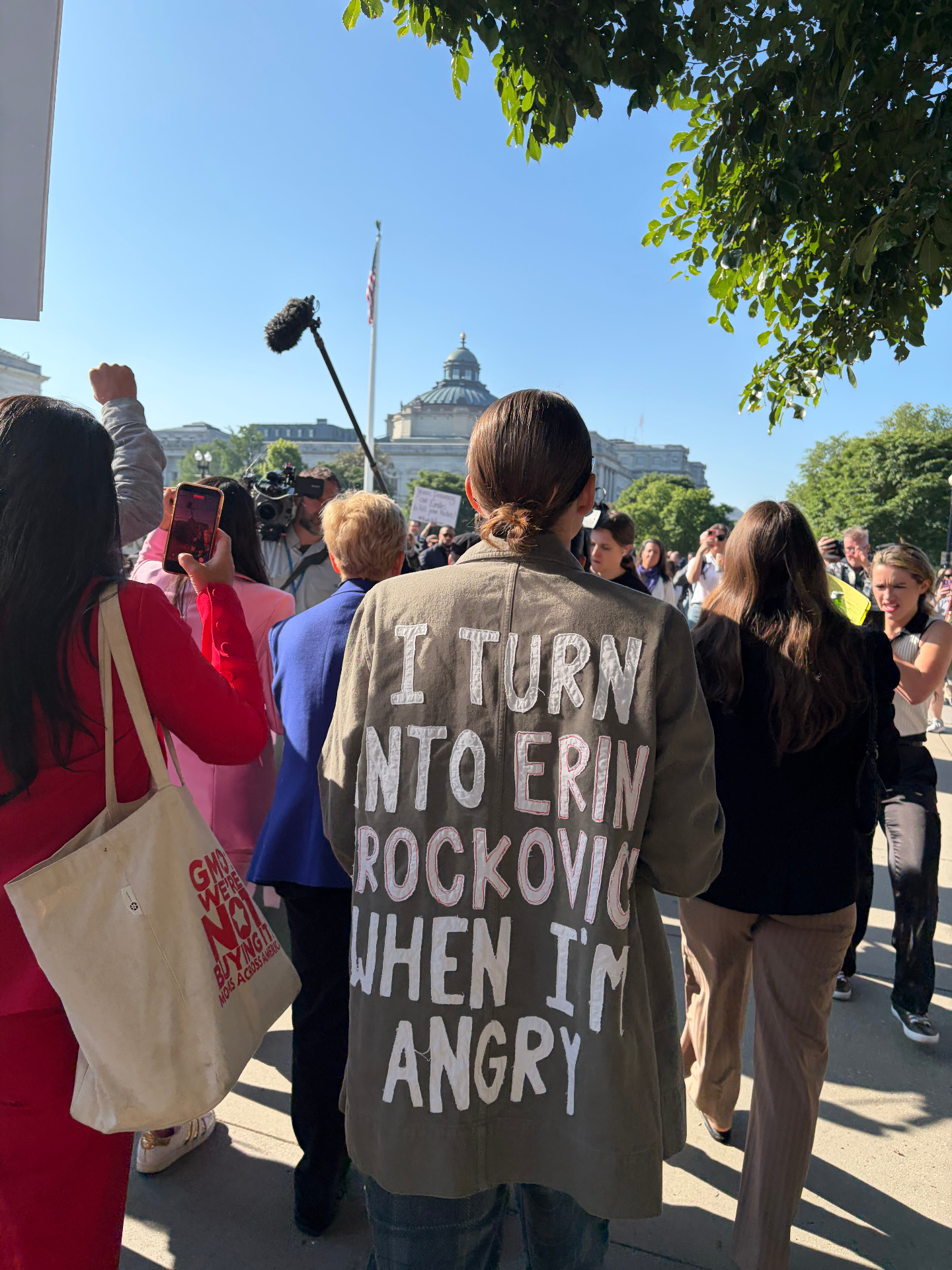
"Real change happens when ordinary people stand up and demand it."— Erin Brockovich
The more we learn about what goes into our clothes, the worse it gets. Our coalition exists to protect the people from what we put on our skin.
There is no single U.S. regulator with clear authority over the full lifecycle of textiles — from fiber to finished garment to what happens when it is worn against skin every day.
Textiles are regulated more like furniture or packaging than like cosmetics, personal care, or food — even though they sit on our largest organ, our skin, for hours at a time.
Independent testing continues to find PFAS, phthalates, heavy metals, formaldehyde, and other toxicants in everyday clothing — especially in items marketed to babies, athletes, and outdoor workers.
We do not just breathe or ingest chemicals. We absorb them through dermal exposure from the shirts, jeans, bras, and uniforms pressed against our bodies for years.
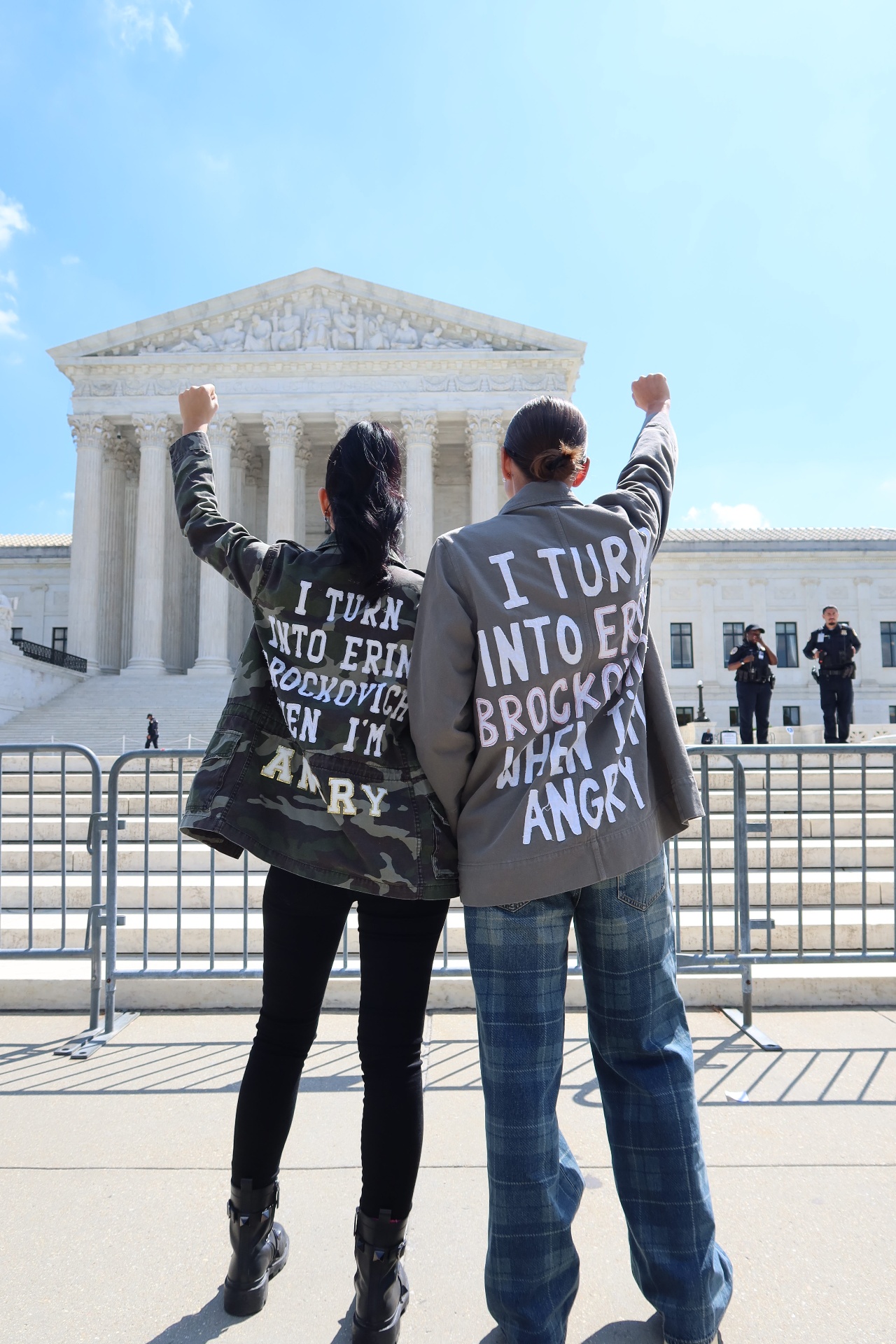
Registered 501(c)(3) nonprofit
The Clean Clothing Coalition exists to strategically remove toxic chemicals and materials from the textile industry. We push for transparency, disclosure, and accountability from fiber to finished garment, because informed consent starts with honest information.
We do this for our bodies, for the planet, and for the good of future generations — especially for babies, children, and others who cannot protect themselves from hidden chemical exposures. No one should need a chemistry degree to get dressed safely.
Through education, awareness, and accessible resources, we organize consumers, workers, and scientists to demand clothing that is safe for everyone who wears it, everyone who makes it, and everyone who will inherit the consequences.
Accountability works best when it comes with a path forward. We partner with brands, manufacturers, and retailers that want to move away from toxic chemicals — helping them understand the science, disclose ingredients, and adopt safer alternatives across their supply chains.
Whether you're a small label rethinking your dye process or a large company overhauling chemical management, we believe transparency and collaboration are how we build an industry that protects people and the planet.
Clear, honest labeling so consumers can make informed choices.
Research-backed paths to replace PFAS, phthalates, heavy metals, and more.
Tools and advocacy to help every tier of production meet higher safety standards.


Priority campaigns our members are pushing through legislatures and boardrooms right now.
Mandate that all clothing sold in the U.S. carry a chemical disclosure label listing intentionally added chemical finishes — similar to ingredient labels on food, cosmetics, and personal care products.
Prohibit the manufacture, import, and sale of consumer products containing intentionally added PFAS compounds, with a clear 36-month phase-out timeline and strict enforcement penalties.
Commission a federal review to determine whether finished garments should be reclassified as direct human exposure products, subject to chemical safety standards comparable to food-contact materials and cosmetics.
Require that medical textiles — hospital gowns, surgical drapes, wound dressings, compression garments, and other fabrics used in clinical care — be regulated as medical devices, with mandatory ingredient testing, chemical disclosure, and safety review before entering hospitals and patient care.
Evidence-Based
78 peer-reviewed studies on the chemicals hiding in our clothing — PFAS, phthalates, dyes, metals, formaldehyde, and more.